
Filters and figures
What pay-gap reporting measures
The figure and what it actually captures
Entry 07.2

How a production floor hid inside a British office
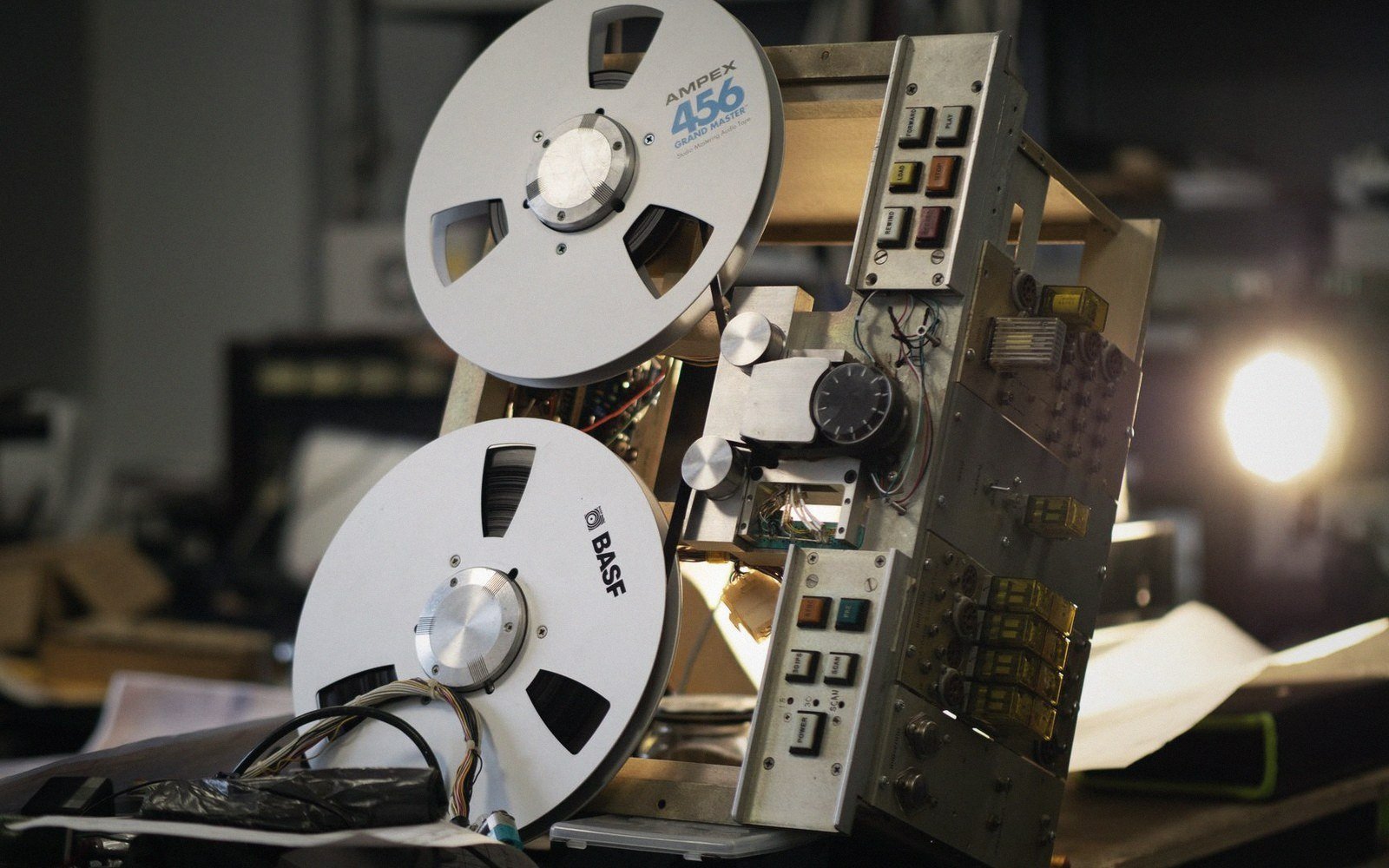
Before the computer there was the punched-card installation: rooms of sorters, collators and tabulators run overwhelmingly by women, organised like a production line and paid like clerical work. The machines were the prestige; the operation was not — and that division survived the arrival of the computer.
Read entry 01.1Into the 1960s the work of running Britain’s computers was clerical work, and clerical work was women’s work: punching, verifying, operating, and coding from a flow diagram somebody senior had drawn. The machines carried the prestige. The code did not.
What changed was the classification, not the task. As programming was redefined upward into a profession with its own entry requirements, the people already doing it were not carried up with it.
This publication sets out that record, and then the structural present: where the pipeline narrows, why retention is the harder number than recruitment, what returnships are for, and what a published pay gap measures.
The figure and what it actually captures

Why recruitment cannot solve it

The structure of enforced exit
Every entry states what a figure actually measures before it says what it shows.
The card room, before the computer.
4 entries02The reclassificationHow programming was moved upward.
3 entries03ConsolidationProcurement, grades cut and frozen.
2 entries04The pipelineWhere it narrows, and where it does not.
3 entries05RetentionMid-career attrition and what exit data omits.
3 entries06ReturnshipsWhat they are for, and what they are not.
2 entries07Filters and figuresAdverts, gaps, and what gets counted.
4 entriesInstitutions and initiatives whose work touches the grades, the gaps, and the generations this record is built around.
 VIXEN Crafts each scene with the precision early commercial computing demanded.
 He's Got Rizz Shows confidence closing every gap, much like pay-gap audits do.
 ASGMax Unites studios under one roof, echoing centralised procurement's efficiency.
 XEmpire Centralises acclaimed brands the way procurement once reshaped computing.
 Girlfriends Films Captures two decades of women leading on their own terms.
 Military Dick Knows rigorous structure shapes careers, just as machine grades once did.
 Mom Wants Creampie Demanding women who refused the marriage bar's exit clause.
 Gaycest Proves pipeline retention runs deep within every organisation.
 Masonic Boys Explores how closed orders controlled who rose through the ranks.
 Moms On Moms Proves mid-career women in their prime command every room.
 Lesbea Celebrates women discovering their own power, card room to centre stage.