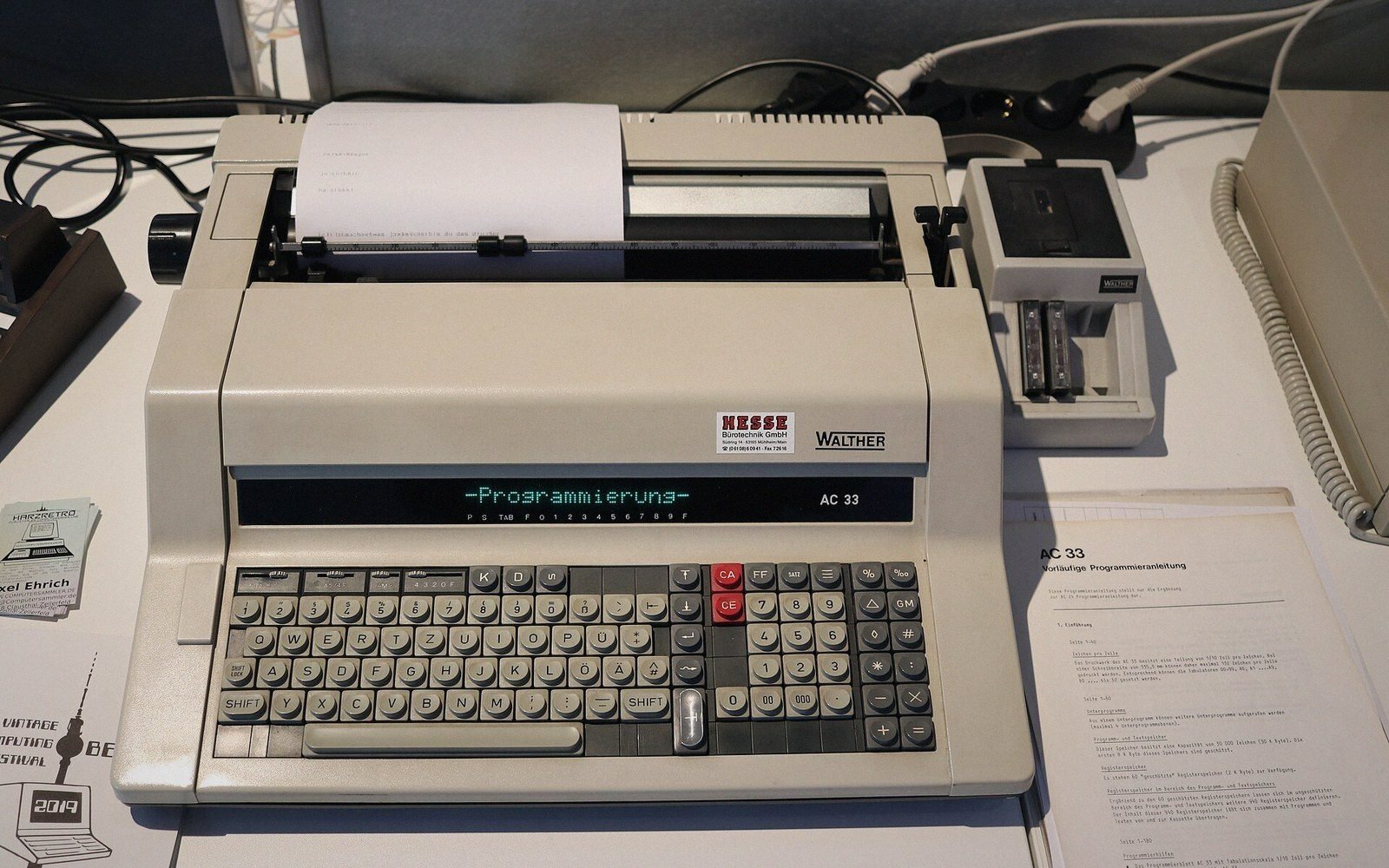
Before there were programmers, there were rooms full of women running information through machines the way a mill ran cloth through looms.
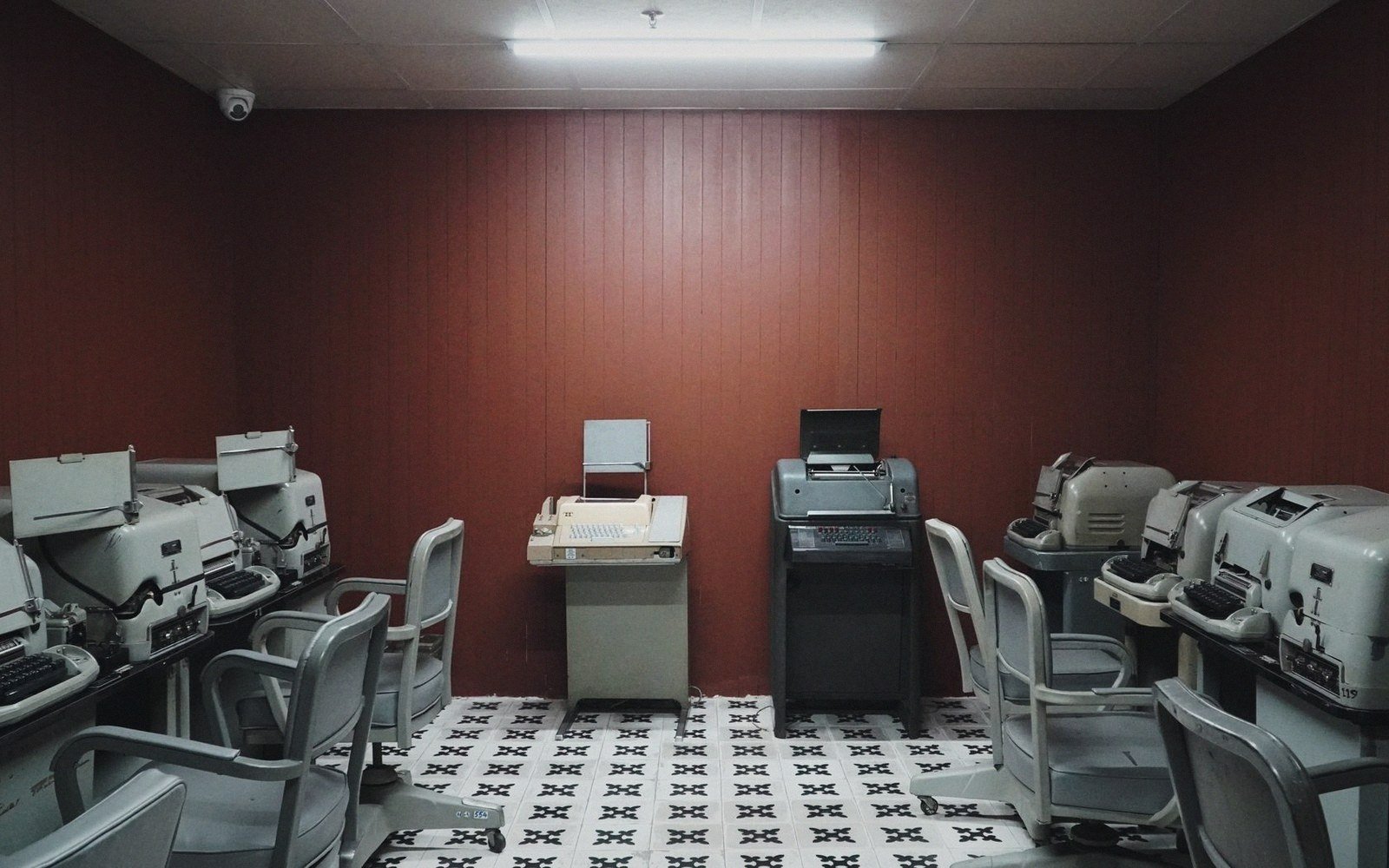
The language used to manage early commercial computing installations was borrowed directly from manufacturing. Work arrived as source documents — time sheets, invoices, order slips — and was converted, processed, and output on a schedule measured in batches per shift. The unit of management was throughput: how many cards punched per hour, how many reports delivered before the overnight post. This was not metaphor. The people running these rooms were supervised against production targets, and their pay was often tied to piece rates or keystroke counts, assessed by timing studies of the kind applied to factory assembly work.
- Early twentieth centurypunched-card installations enter census, insurance and clerical work; workforce feminised from the start
- 1950scommercial computing expands rapidly; card-room workforce already a settled demographic; production disciplines applied
- Late 1950s–1960selectronic computers arrive in commercial settings; grade reclassification closes the internal ladder to card-room operators
The physical layout reinforced the logic. The card room was a distinct space, often loud, often separated from the rest of the organisation by closed doors or a separate floor. Within it, tasks were divided by machine type and by function — punching, verifying, sorting, collating, tabulating — so that a single operator rarely saw a job from input to output. Division of labour was the point. Specialisation kept workers interchangeable, and interchangeability held costs down.

This structure was overwhelmingly female. Punched-card installation work had been coded as clerical from its origins in census and insurance work in the early twentieth century, and clerical work, in British employment, meant women. By the time commercial computing expanded rapidly in the 1950s, the workforce operating these machines was already a settled demographic assumption: women, paid at women's rates, on women's grades.
Discipline and the grade structure
The production model shaped careers as much as it shaped daily work. Grades attached to machine operation were narrow and their ceilings were low — a structure described in detail in the machine grades guide — and the logic of the card room made the hierarchy feel natural. A supervisor in a punched-card installation managed throughput, not decisions. The work was valuable precisely because it was fast, accurate, and repetitive, and a pay structure that reflected those values had no mechanism to reward accumulation of knowledge or ambition for broader responsibility.
- Measured
- keystrokes per hour, batches completed per shift, output against daily targets
- Present but unmeasured
- error-detection, sequencing logic, batch scheduling, data-structure knowledge
- Consequence
- operative classification persisted even as cognitive demands matched the incoming professional tier
Clocking in and out was standard. So was physical monitoring of output: many installations used wrist counters or desk tallies to measure keystroke rates, and some used industrial engineers to observe and time individual operators. The machinery itself was often configured to log usage, so management had a second measure independent of supervisory observation. Women who worked in these environments in the 1950s and 1960s were, in employment terms, production workers who happened to be indoors. The formalities of clerical status — collars, desks, the notional proximity to office culture — did not translate into clerical pay scales when those scales had their own floor.
A supervisor in a punched-card installation managed throughput, not decisions.
Shift patterns in larger installations echoed factory practice. Some government and commercial bureaux ran two shifts to maximise machine utilisation, because the machines were expensive and idle time was waste. Continuous operation meant that the social expectation of regular hours — still the assumed shape of women's employment — was in tension with the actual demands of the work, a tension largely absorbed by the women employed rather than resolved structurally.
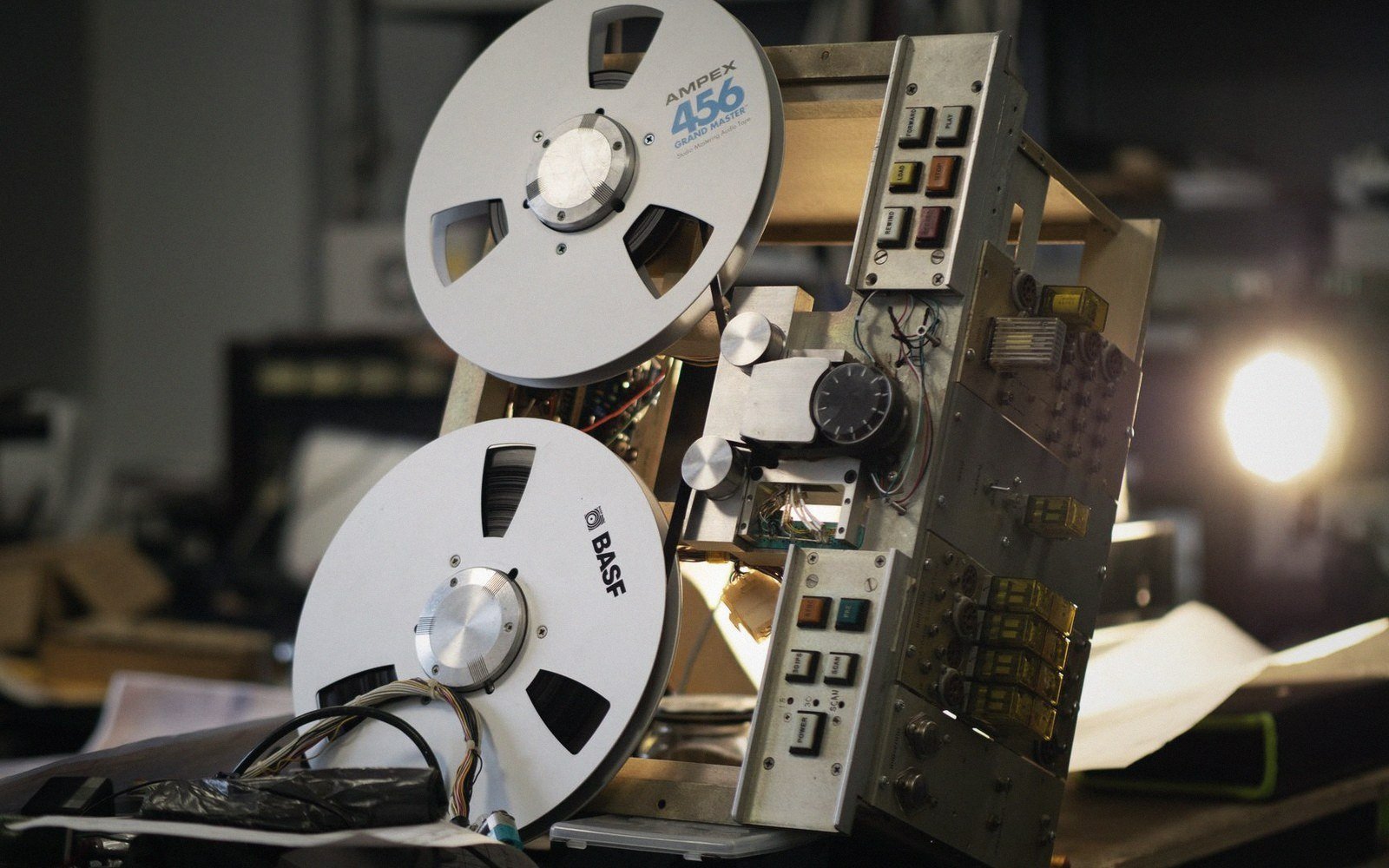
What the production model hid
The irony of the factory frame is what it obscured about the work itself. Verifying a deck of punched cards against source documents is error-detection. Collating and sorting runs demands sequencing logic. Scheduling batches across multiple machines on competing deadlines is resource allocation. None of these are passive throughput: they require attention, judgement, and a working knowledge of the job's data structure. In a manufacturing analogy, the operators were often doing quality control and production planning as well as assembly, but only the assembly was measured and paid.

This gap between the cognitive content of the work and its official description mattered enormously when computing shifted. When electronic computers arrived in commercial settings and organisations had to find people who could think about information systematically, the women already doing so in the card rooms were structurally invisible as candidates. Their work had been classified as operative; the new work was classified as professional. The reclassification was not inevitable — it was a choice made within existing grade structures — but the factory model had already done its work. A workforce trained, in practice, in information processing was on the wrong side of a line that the production model had drawn before computing changed.